
BRINGING HOPE, LIGHT AND HEALING IN UGANDA
We are a 501(c)(3) tax-exempt with Tax Id: 87-3984673 Non – Profit Organization where we strongly believe that every child deserves the opportunity to grow up in a God- loving, peaceful and united family, in a progressive society, fully enjoying basic rights like education, health-care, shelter and a joyous life. For a number of years, the organization has built strong local and international platforms for addressing child welfare issues ranging from education, health, paternity, citizenry, among others.
Over time, too, we have developed a clear grasp of a range of factors that render children orphaned and vulnerable and have therefore addressed our energies to mitigating these factors.
We draw our inspiration from John 21:6 which says, “And he said unto them, Cast the net on the right side of the ship, and ye shall find. They cast therefore, and now they were not able to draw it for the multitude of fishes” (KJV)
WHY WE EXIST
Child Well-being and Support
Goal: Sustained well-being of children within homes / families and / or communities especially the most vulnerable. Luke 2:52 “And Jesus grew in wisdom and stature and in favor with God and people”
OUR MILESTONE JOURNEY, HOW AND WHERE IT ALL BEGUN
“God sets the lonely in families, he leads forth the prisoners with singing…”Psalm 68:6
OUR APROACH
We believe that the best way is to keep children in families, not orphanages. Many children in Uganda have at least one living relative which is why we shy away from the word orphanage. The Children’s Home will house children who are extremely vulnerable and work hand in hand with their living relatives to reunite them with that family member. We realize the best person to raise the child is the family. Cast Deep Homes will be temporary residence for majority of our children with true orphans staying longer for us to find foster homes or adoptions.
WE CAN DO MORE
Finally, orphanages are expensive and lack sustainability when compared to community-based orphan care models. It costs alot of money to take care of a child in an orphanage, whereas supporting a child to live with a family in the community costs less. This includes the cost of subsidizing the child’s basic needs and hiring and training staff to follow-up regularly. Furthermore, considering that most orphans are “economic orphans,” meaning they are only residing in the orphanage because of economic stressors, it makes total sense for a ministry/organization to support the child to stay in his or her own family and community.
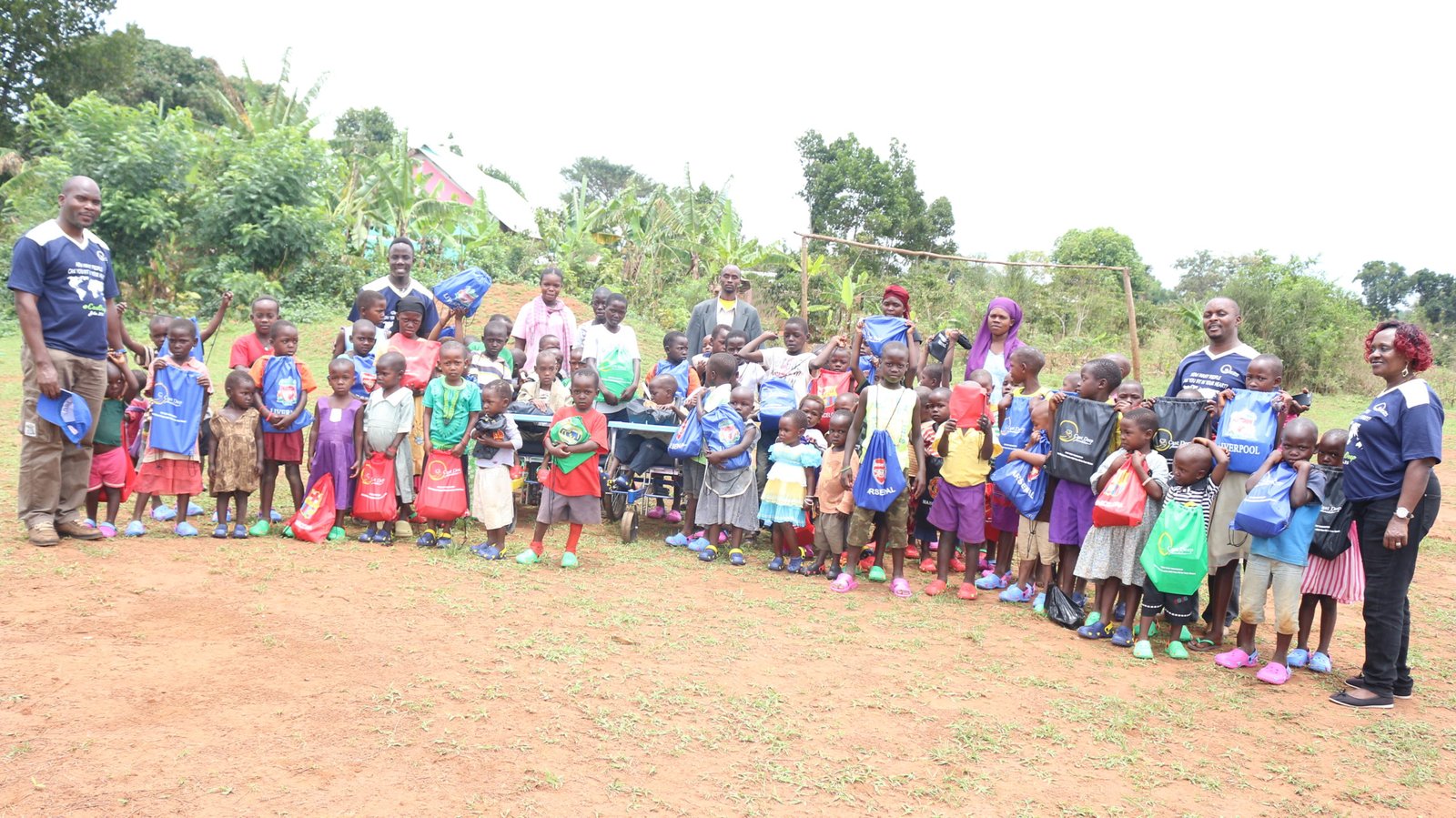
Keeping children in the community and empowering families strengthens both nation and society, and it leads to economic development, not deeper brokenness and dependency. We could see a HUGE difference in the lives of vulnerable children if more organizations and ministries would focus on working with local communities to empower and train families rather than building more orphanages. If families are empowered and trained to sustain themselves, then the parents won’t be knocking on the doors of orphanages to provide food and education for their children.
The fact is that orphanages are not BAD…and I want to reiterate that again for you as a reader. Many of you, I’m sure, have some sort of connection with an orphanage. Perhaps you even know and love the children or the staff who work there. I do, too, and I will continue to support them as best as I can with the resources and knowledge that I have. I have no intention of abandoning those places! If I were asked by the orphanage director to give my opinion about the best way to care for the children currently in his/her orphanage, I would reiterate that the solution is not to turn our backs on existing orphanages or orphan homes. Then I would say we must make a radical shift in our thinking about how to operate such facilities.
A good heart doesn’t equal to help for orphans. Believe us, we are speaking from experience. We have seen people hurt poor people (especially orphans) and themselves when they are working hard and doing what they think is best to help the poor. “There is a way that appears to be right, but in the end it leads to death.” Prov. 14:12 all.
CURRENT SITUATION
In Uganda many children are vulnerable mainly due to poverty. About 62% of the population live in absolute poverty with children constituting 38% of the poor – but the situation of Uganda children is more complex than is often portrayed, for example:
Over half of Ugandans Millennium Development Goals are on target. More than 90% of orphaned children are cared for by their own family.
85% of children in child care institutions / orphanages have at least one living parent.
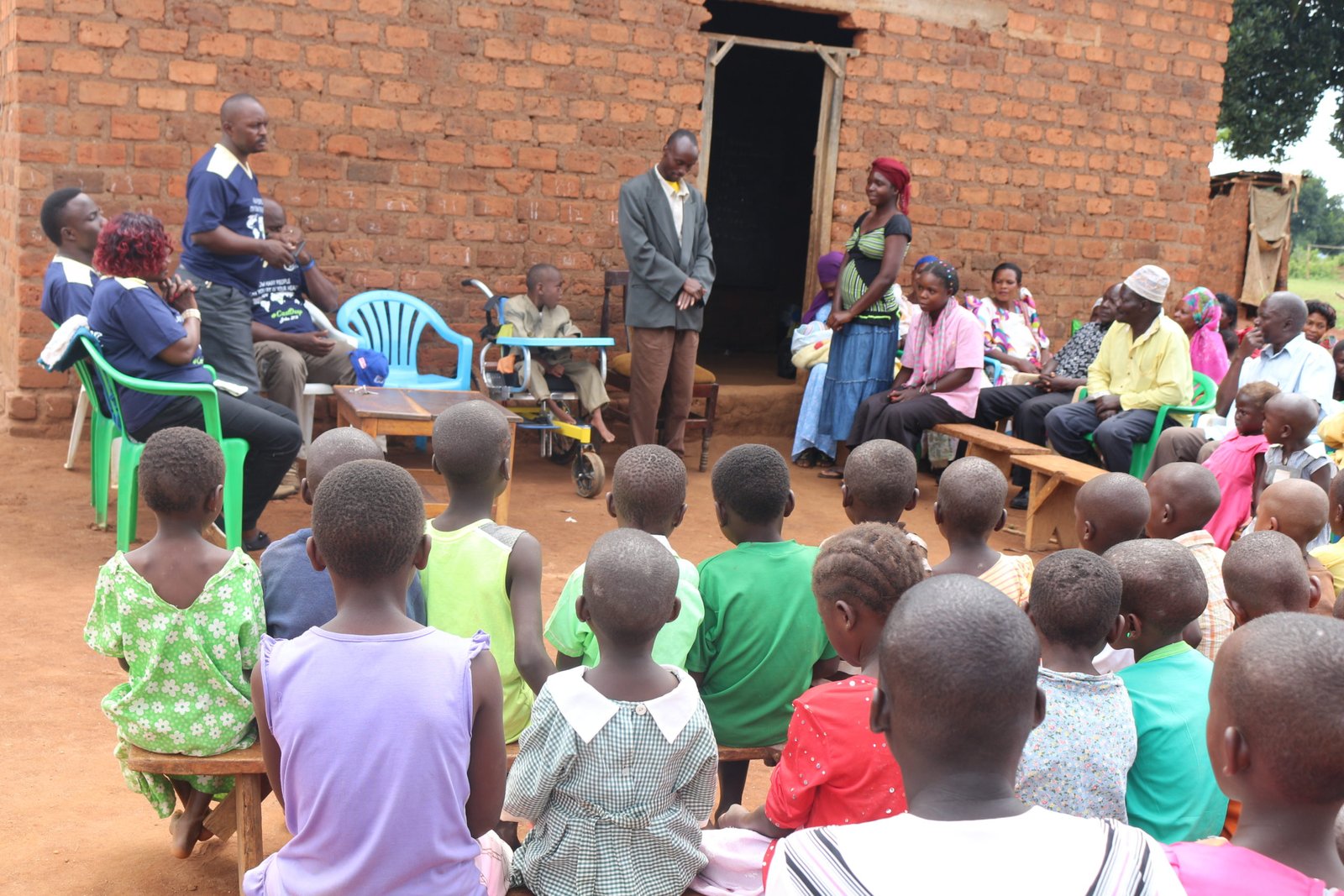
Kinship care and informal foster care is already embedded in Ugandan culture and tradition. Domestic adoption already happens and is increasing in numbers. Uganda is home to an entire generation of children and young people who have been orphaned by decades of poverty, AIDS, and violence. “When you label a child an ‘orphan’ you respond to the ‘label’ and not the individual needs of a child.” We must never forget the importance of family and community in the life of a child.